


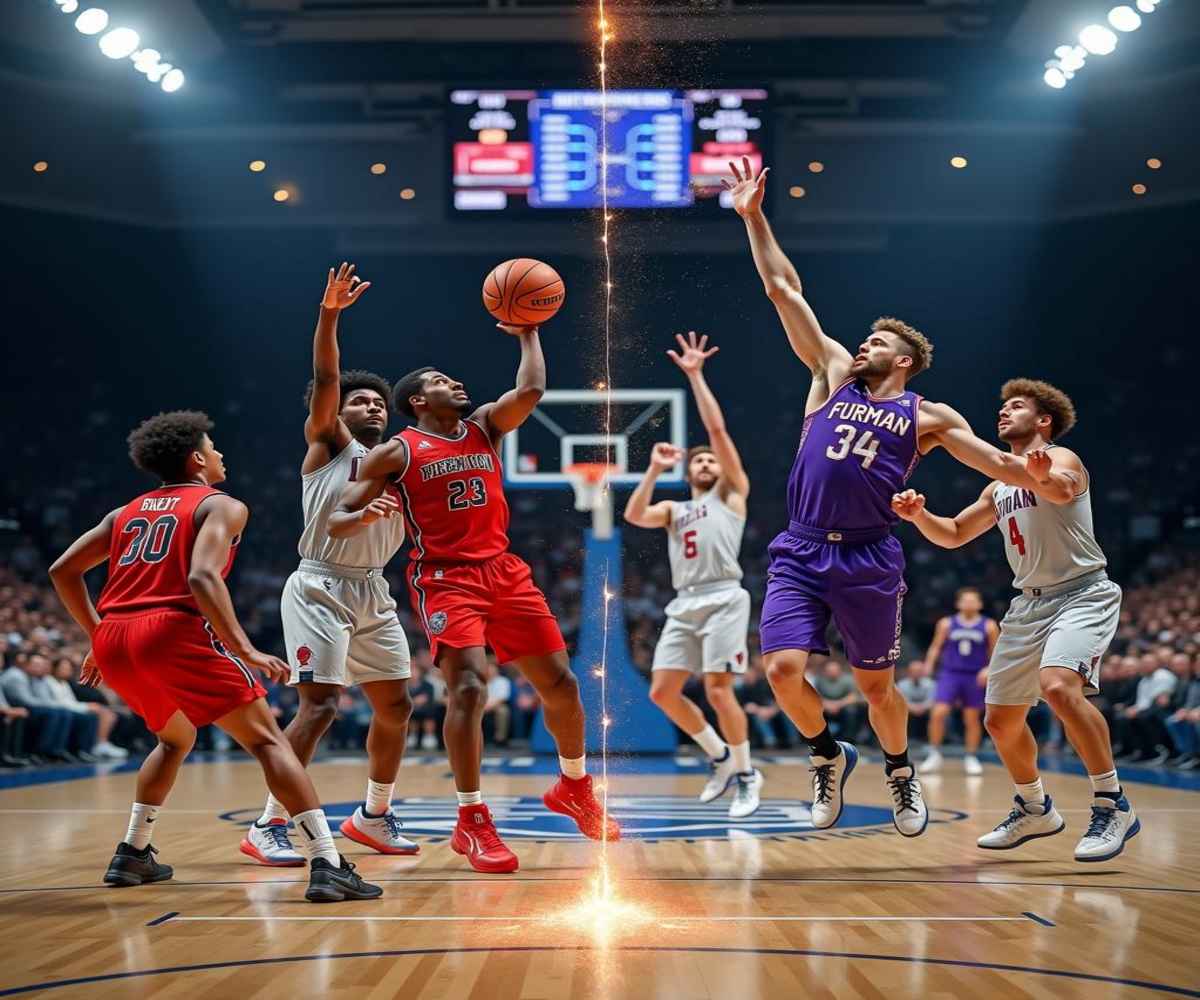
Every March, the NCAA Tournament captivates basketball fans with its chaos, drama, and the irresistible allure of Cinderella stories. These underdog teams—plucky, overlooked, and armed with just enough magic—defy odds, shatter brackets, and etch their names into college basketball lore. From Florida Gulf Coast’s “Dunk City” frenzy in 2013 to UMBC’s historic takedown of a No. 1 seed in 2018, the tournament thrives on unpredictability. As the 2025 bracket unfolds, a new crop of potential Cinderellas lurks in the shadows, ready to dance their way into the spotlight. Let’s dive into the teams poised to turn the madness up a notch.
The New Mexico Lobos: Mountain West Grit Meets Defensive Dominance
First up, the New Mexico Lobos. Hailing from the Mountain West Conference, this squad is built to frustrate high-major opponents with a defense-first mentality. Anchored by Donovan Dent, a crafty floor general with a knack for disrupting passing lanes, and Nelly Junior Joseph, a bruising forward who commands the paint, the Lobos play with a cohesion that’s rare in today’s transfer portal era. Their +30000 odds to win it all, per SportsbookReview, might seem daunting, but don’t be fooled. This team has already shown flashes of brilliance, stifling opponents with a top-25 defensive efficiency rating. If they can leverage their physicality and execute in half-court sets, they’ll be a nightmare for any high-seeded team allergic to gritty, low-possession games. The Lobos aren’t just happy to be here—they’re built to stick around.
Furman University: Southern Conference Sleeper with a Chip on Its Shoulder
Next, keep an eye on Furman University, a perennial underdog from the Southern Conference. While they lack the star power of Power Five programs, the Paladins compensate with a blend of veteran leadership and tactical precision. CBS News projects them as a potential Cinderella, and for good reason. Last season, they nearly toppled Virginia in the first round, and this year’s roster is hungrier. Their motion offense, which emphasizes ball movement and three-point shooting, can fluster slower, less disciplined defenses. Add in a coach who thrives in underdog scenarios—Rick Pitino once called their system “a headache to prepare for”—and you’ve got a team that could exploit favorable matchups. If their shots fall early and they silence doubters with a first-round upset, Furman might just replicate the magic of 2023, when they stunned Virginia as a 13-seed.
The Blueprint for Cinderella Success
What do these teams have in common? It starts with defense and tempo control. New Mexico’s ability to grind games to a halt neutralizes high-octane offenses, while Furman’s offensive creativity forces opponents out of their comfort zones. But intangibles matter, too. Both squads play with a collective chip—a blend of overlooked recruits and transfer portal gems who’ve bonded over proving the world wrong. As Sports Illustrated notes in their deep dive on March Madness history, Cinderellas often share this underdog DNA: a mix of belief, preparation, and the sheer audacity to dream bigger than their seeding suggests.
Stay tuned for the second half of this breakdown, where we’ll explore two more dark horses—St. John’s and Texas Tech—and dissect why their unique styles could wreak havoc in the tournament’s later rounds. The madness is just getting started.
St. John’s Red Storm: Big East Resurgence Under a Legend’s Guidance
If there’s a team primed to channel the chaos of March into a Cinderella run, it’s the St. John’s Red Storm. Nestled in the hyper-competitive Big East, St. John’s has quietly rebuilt under the watchful eye of Hall of Fame coach Rick Pitino, whose knack for tournament wizardry needs no introduction. While their +25000 odds to cut down the nets per SportsbookReview reflect their underdog status, this squad is anything but a pushover. The Red Storm play with a frenetic pace that belies their mid-major perception, ranking top-40 nationally in adjusted tempo. Guards Daniss Jenkins and Jordan Dingle form a backcourt duo capable of eviscerating defenses with a blend of perimeter shooting and downhill drives, while Joel Soriano’s rim protection anchors a defense that thrives on forcing turnovers. What makes St. John’s dangerous isn’t just their roster—it’s Pitino’s March pedigree. The architect of Cinderella darlings like 2013 Florida Gulf Coast (where he mentored Andy Enfield) and a master of tournament adjustments, Pitino has already engineered wins over ranked opponents this season. If the Red Storm can marry their streetball flair with disciplined late-game execution, they’ll embody the high-risk, high-reward ethos that defines March upsets.
Texas Tech Red Raiders: Big 12 Grit with a Defensive Edge
Don’t let the Texas Tech Red Raiders’ unassuming 10-seed projection fool you—this team is built for March attrition. Competing in the gauntlet of the Big 12, where nine teams are ranked in the KenPom top-40, has hardened Tech into a battle-tested unit ready to pounce on unsuspecting favorites. Head coach Grant McCasland, who led North Texas to a 2021 NCAA Tournament upset over Purdue, has instilled a defensive identity that ranks 12th nationally in efficiency. The Red Raiders swarm opponents with relentless ball pressure, spearheaded by Pop Isaacs, a sharpshooting guard with ice in his veins, and Darrion Williams, a versatile forward who crashes the glass with abandon. Their ability to muck up games—forcing contested threes and dominating the offensive boards—creates the kind of ugly, low-scoring affairs that fluster high-seeded teams. As NCAA.com notes, double-digit seeds that control pace and rebound effectively have historically punched above their weight. Texas Tech’s formula mirrors that of the 2018 Loyola-Chicago team that rode defense and clutch shooting to the Final Four. If they land a favorable matchup against a perimeter-reliant offense, the Red Raiders could author a deep run that reshapes the bracket.
The X-Factors: Clutch DNA and Coaching Savvy
What separates fleeting underdogs from true Cinderellas? Look no further than clutch performance and coaching acumen. St. John’s thrives in transition, but their tournament fate hinges on Jenkins’ ability to drain late-clock jumpers—a skill he showcased in a 28-point explosion against UConn. Texas Tech’s McCasland, meanwhile, has a penchant for scripting defensive schemes that dismantle pick-and-roll heavy offenses, a common Achilles’ heel for top seeds. Similarly, New Mexico’s Dent and Furman’s JP Pegues—a guard who dropped 21 points in last year’s near-upset of Virginia—have proven they can rise in high-leverage moments. As Sports Illustrated highlights, Cinderellas often ride the hot hand of a fearless scorer or a lockdown defender who morphs into a folk hero. Coaching also plays an outsized role; Pitino’s 5-on-5 scouting drills and Furman’s Bob Richey’s emphasis on “spacing and pace” are tactical edges that level the playing field. In a tournament where margins are razor-thin, these nuances transform potential into legacy.
Embracing the Madness
As the 2025 NCAA Tournament unfolds, the allure of Cinderella stories remains as potent as ever. Whether it’s St. John’s resurrecting glory under Pitino’s guidance, Texas Tech’s defensive maulers channeling the spirit of past bracket-busters, or the Lobos and Paladins proving mid-majors belong, this year’s dance promises chaos in its purest form. The beauty of March lies not in predictable outcomes, but in the moments when a lightly regarded guard sinks a buzzer-beater, a coach outwits a titan, or a team collectively decides history isn’t just for the blue bloods. So as you fill out your bracket, remember: the magic of the underdog isn’t in their odds—it’s in their refusal to believe the odds apply to them. Let the madness begin.